
THE AFRICA URBAN FORUM, 2026: A REFLECTION ON CITIES, PEOPLE AND POSSIBILITY
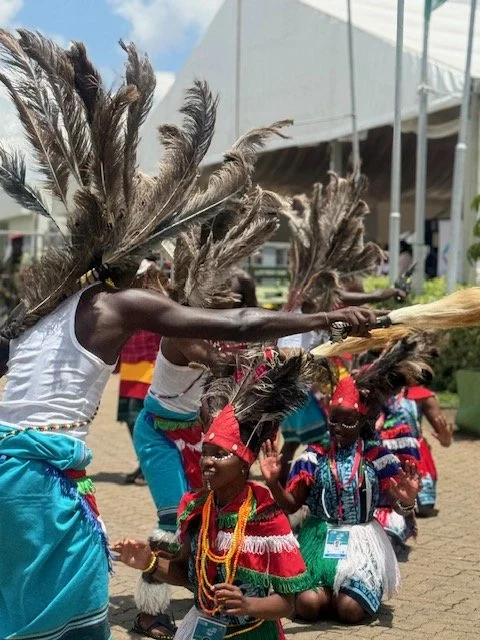
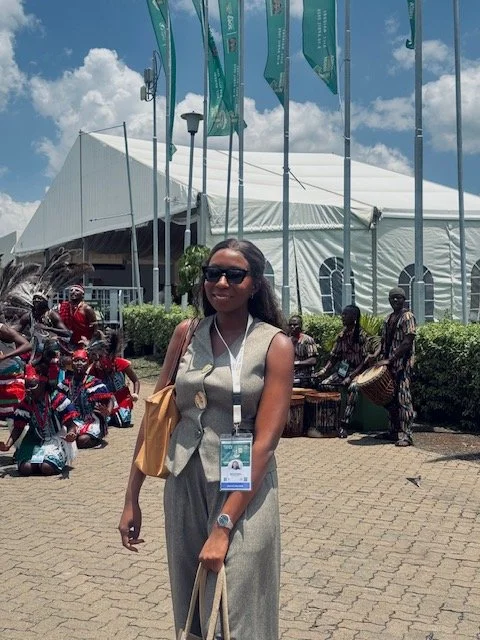
There are moments when you sit in a room and feel, quite distinctly, that the future is being negotiated in real time. Attending the Africa Urban Forum in Nairobi was one of those moments for me.
It was equal parts informative and clarifying.
As someone deeply invested in how spaces shape experiences, I found myself drawn not only to the policies and statistics, but to the underlying question: what does it truly mean to build cities for people?
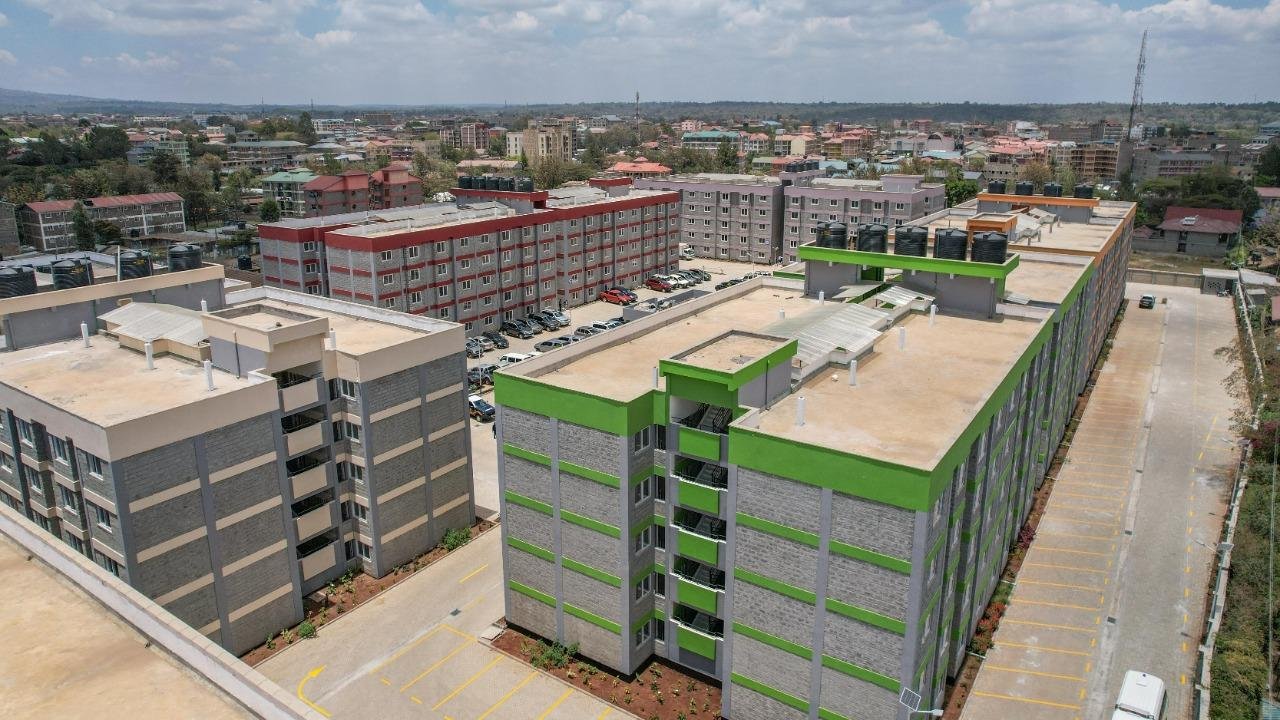
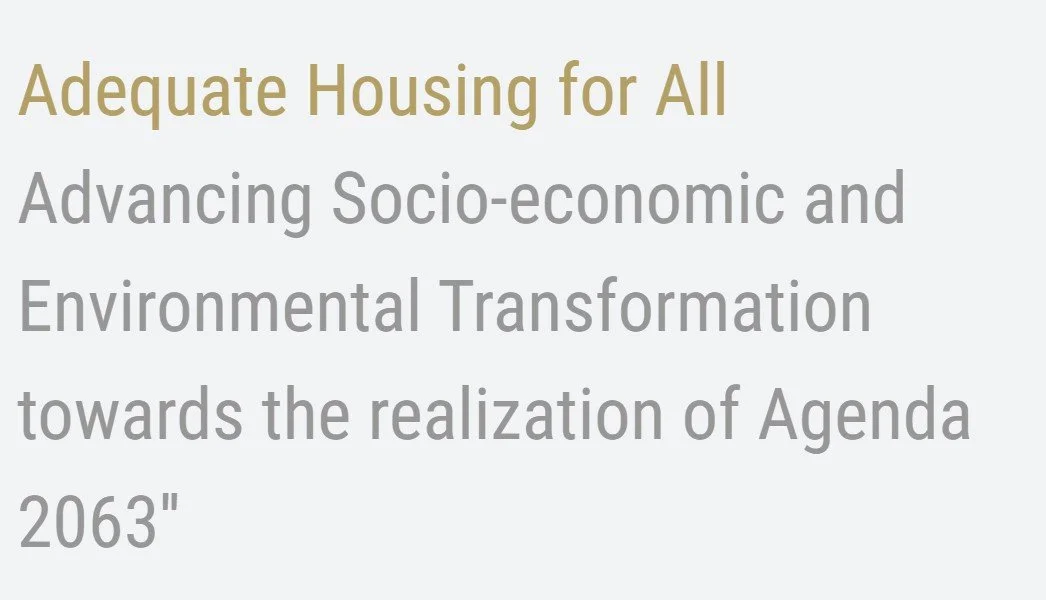
Affordable Housing: Beyond Structures, Towards Dignity
Affordable housing was, unsurprisingly, at the heart of many conversations. But what struck me was the shift in tone. This is no longer just about numbers or delivery targets. It is about dignity, access and long-term sustainability.
There was a strong emphasis on integrated living. Not just homes, but communities. Spaces where proximity to work, access to transport, green areas and social infrastructure are considered essential, not optional.
What stayed with me is the realization that affordability is not simply about cost. It is about livability.
And perhaps more importantly, about designing spaces that people are proud to belong to.
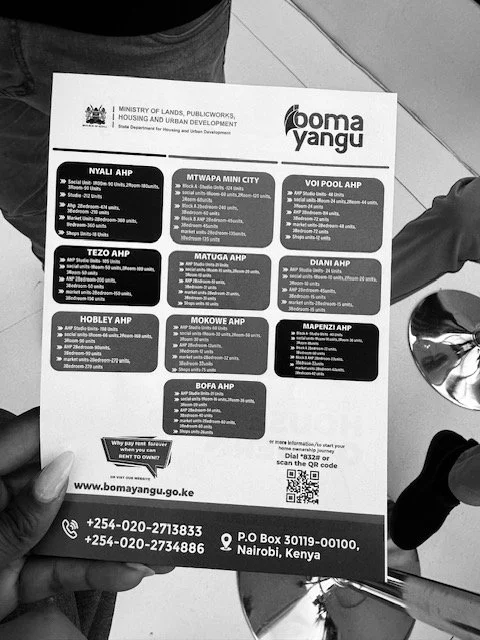
Boma Yangu: A Bold Step, Still Unfolding
The Boma Yangu initiative featured prominently in discussions and at the exhibition booths. It is positioned as one of Kenya’s most ambitious responses to the housing deficit. It represents access. A structured pathway for ordinary Kenyans to step into home ownership.
But the conversations were refreshingly honest. There were questions around the accessibility of financing, public awareness, and whether the developments fully capture the nuances of how people actually live. Not just how policy imagines they should live.
What I appreciated was that this was not a one-sided narrative. It was a dialogue. One that acknowledged progress while still making room for improvement.
Because truly impactful systems are not static. They evolve.
High-Level Conversations: Policy Meets Reality
The high-level panels brought together policymakers, urban planners, development partners, and private sector leaders. And while these rooms can sometimes feel distant from everyday realities, this time felt different.
There was a noticeable effort to bridge the gap between policy and lived experience.
Key themes kept emerging:
The urgency of climate-resilient cities
The role of youth in shaping urban futures
The need for data-driven, yet human-centered planning
Public-private partnerships as a necessity, not a luxury
One particularly compelling thread was the idea that African cities cannot simply replicate Western urban models. They must define their own identity, rooted in culture, context and community.
That, to me, felt deeply aligned with how I think about design.
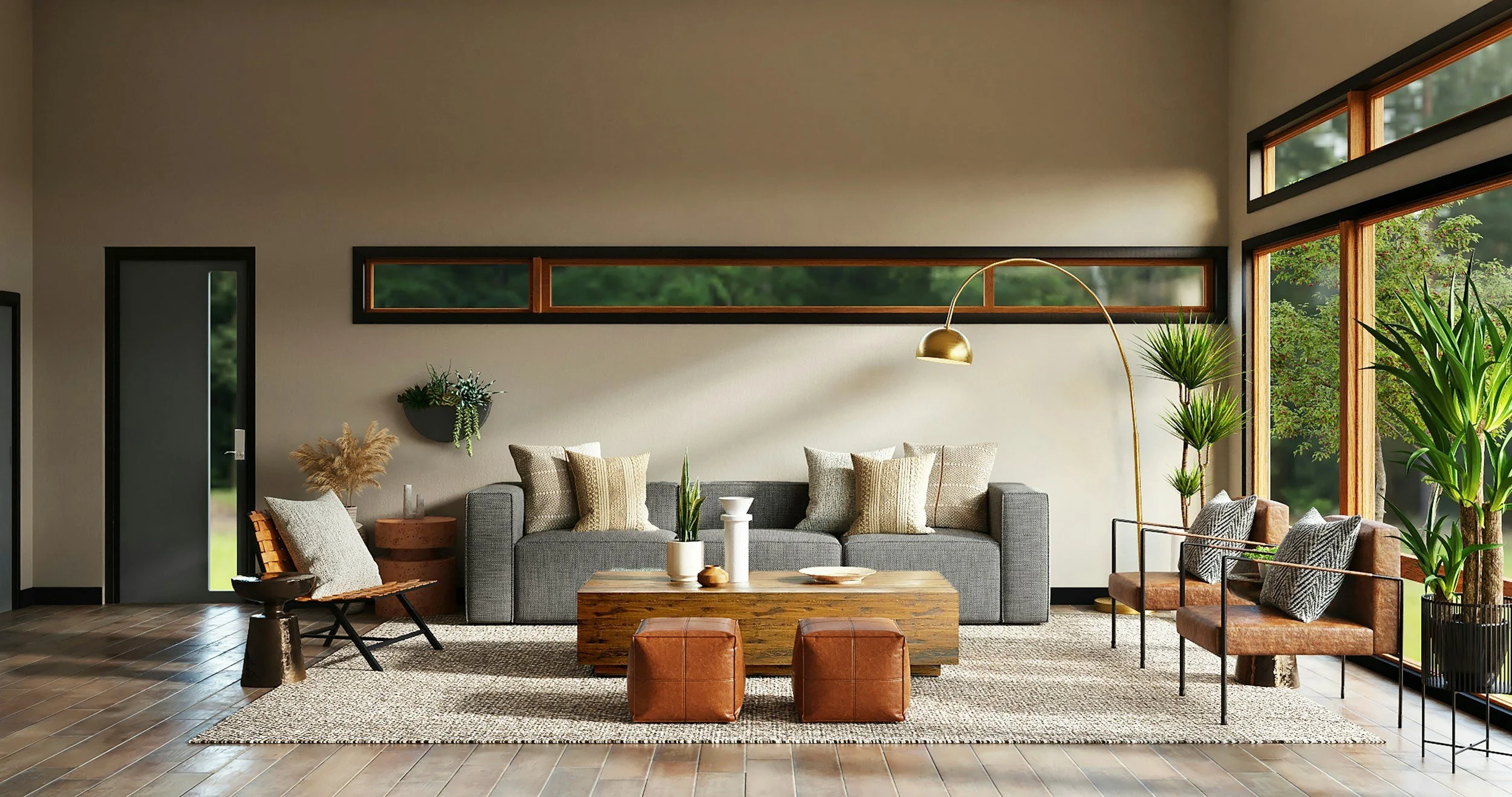
Personal Reflection: Designing With Intention
Leaving the forum, I found myself reflecting on my own work.
Because in many ways, the conversations we were having at a macro level mirror what happens at a micro level.
It is all about intention.
How do we design spaces that serve people fully?
How do we balance beauty with function?
How do we create environments that feel considered, not just constructed?
The forum reminded me that whether we are designing a city, a home, or a table scape, the principle remains the same:
People must always be at the center.
Final Thought
I felt that the Africa Urban Forum was a call to think more deeply, design more intentionally and engage more honestly with the realities of urban living in Africa.
And if there is one thing I am carrying forward, it is this:
The future of our cities will not be defined by how fast we build, but by how well we understand the people we are building for.